Recycling and Sustainability — Gardening Finsbury Park
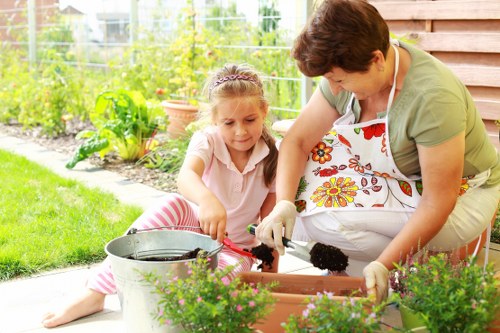 Gardening Finsbury Park is committed to creating an eco-friendly waste disposal area and a thriving sustainable rubbish gardening area across the park's beds, borders and shared spaces. Our programme combines practical onsite recycling, partnerships with local groups and a clear set of targets to reduce landfill and boost local circular economy activity. We focus on reusing materials from pruning, planting and community events and on making sure the boroughs' approach to waste separation is respected in everything we do.
We have set a measurable recycling percentage target to keep progress transparent and actionable: 65% of park-generated waste diverted from landfill by 2028. This target covers green waste, soil and mulch reuse, wood chippings, compostable food scraps from events, and dry recycling streams. By aiming high we align with London-wide goals while tailoring delivery to Finsbury Park's needs, balancing volunteer capacity and professional collection services.
 In practice, our sustainable waste management work respects local transfer stations and municipal arrangements. We consolidate materials on-site into clearly labelled skips and crates, then transfer them to the nearest council transfer stations operated by Haringey and Islington, using their separate streams for organics, mixed recycling and residual waste. This approach reduces cross-contamination and improves the quality of material entering municipal processing, which in turn raises capture rates for recycled materials.
What we collect and how we reuse it
 Our on-site recycling and reuse activities are tuned to park gardening operations. Typical activities include composting plant trimmings, chipping woody material for mulch, sieving and reusing soil, and redirecting usable pots, timber and tools to community reuse outlets. We also separate collected materials according to borough guidance: dry mixed recycling, glass, metal, paper and a dedicated food/green waste stream, reflecting the boroughs' approach to waste separation.
Every season we run a series of practical collection rounds and internal sorting days, with clear signage and volunteer training so waste is separated at source. The result is higher-quality compost and mulch for park beds and fewer materials sent to energy-from-waste or landfill. Our methods are designed to support a resilient, low-impact garden maintenance system with minimal contamination of recyclable streams.
We work with local charities and community organisations to extend the life of items that are still usable. Excess timber and potting materials are offered to community allotments, while tools and larger items are redistributed through reuse partners such as Friends of Finsbury Park networks and local reuse charities. These partnerships increase local reuse and reduce the need for new purchases.
Partnerships, collection logistics and low-carbon operations
 Our logistical model balances volunteer effort with low-carbon professional services. We partner with social enterprises and charities to handle redistribution and with municipal transfer points to process separated waste streams. Key partner activities include:
- Community redistribution — reuse of pots, planters and tools through charitable partners and allotment groups;
- Composting and soil reuse — onsite maturation of green waste into usable compost for park beds;
- Wood chipping and mulch production — converting prunings into mulch to conserve water and improve soil health;
- Coordinated transfers — compacted and well-separated loads taken to borough transfer stations to maintain quality.
 Transport is a key sustainability lever. Gardening Finsbury Park uses low-carbon vans and vehicles for collections and transfers: battery-electric vans where available, ULEZ-compliant hybrid vehicles for flexible routes, and cargo e-bikes for nearby small loads. This fleet mix reduces local emissions, noise and congestion while allowing frequent, small collections that keep materials dry and uncontaminated.
All activities are logged and reviewed quarterly to track progress toward our diversion target. We monitor tonnage by stream, contamination rates, and reuse volumes provided to partners. These metrics feed into continuous improvement plans so we can incrementally increase our capture of garden reuse materials, boost the quality of compost produced and meet the 65% recycling diversion target.
Our approach to creating an eco-friendly waste disposal area and a productive, sustainable rubbish gardening area is both practical and community-minded. By linking on-site practices to borough waste separation systems, collaborating with charities and investing in low-carbon transport, Gardening Finsbury Park is building a resilient, circular model for urban green-space maintenance that other parks can emulate.
We continue to evolve our processes, applying lessons from partner transfer stations and council separation policies. The combination of clear targets, local partnerships and greener logistics ensures that every pruned branch and every compostable scrap is handled with maximum value recovery for the park and the wider Finsbury Park community.