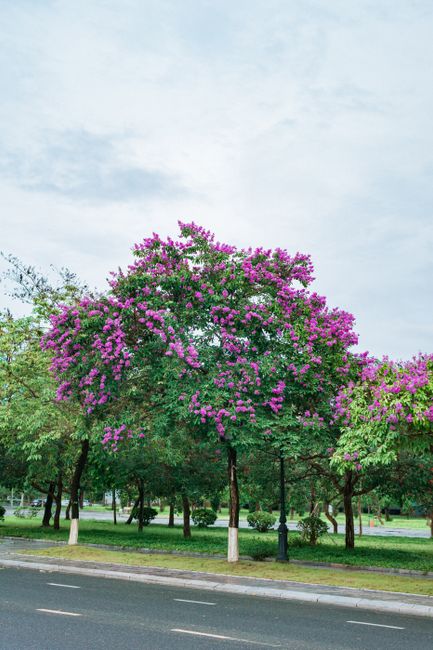
Finsbury Park station lawn care and verge maintenance guide
If you're responsible for a station frontage, roadside verge, commuter approach, or any small strip of green that sees a lot of footfall, this subject gets real, very quickly. The Finsbury Park station lawn care and verge maintenance guide is about more than making things look neat on a Monday morning. It's about keeping grass healthy under pressure, reducing trip hazards, managing litter build-up, and making sure the space feels cared for even when the weather, traffic, and constant use are doing their best to wear it down.
In a busy London setting like Finsbury Park, the challenge is rarely just "mow the grass." You're balancing safety, access, appearance, drainage, edging, seasonal growth, and the practical realities of working near people who are hurrying somewhere with coffee in one hand and a phone in the other. Let's face it, verges can go from tidy to scruffy surprisingly fast. This guide breaks down how to approach it properly, what good maintenance looks like, and when a more structured garden care plan makes life easier.
If you need broader support for surrounding green areas, it can also help to look at garden maintenance, lawn mowing, and garden clearance as part of a joined-up approach rather than treating each task in isolation.
Table of Contents
- Why this guide matters
- How the maintenance process works
- Key benefits and practical advantages
- Who this is for and when it makes sense
- Step-by-step guidance
- Expert tips for better results
- Common mistakes to avoid
- Tools, resources and recommendations
- Law, compliance, standards, or best practice
- Options, methods, or comparison table
- Case study or real-world example
- Practical checklist
- Conclusion
- Frequently asked questions
Why Finsbury Park station lawn care and verge maintenance guide Matters
Station-adjacent lawns and verges do a quiet but important job. They soften hard edges, frame routes people use every day, and create a sense of order before anyone even steps inside a building. When they're neglected, the whole area feels messier. When they're maintained well, it's one of those small improvements people notice without really thinking about it.
That is exactly why a Finsbury Park station lawn care and verge maintenance guide matters. The environment around a station is usually high-traffic, slightly unpredictable, and exposed to a lot of wear. Grass gets compacted. Edges get crushed. Litter collects along borders. In wet weather, low spots become muddy; in dry weather, thin areas can scorch. Even the healthiest lawn can struggle if it's cut badly or left too long between visits.
There's also the safety side. Overgrown verge grass can hide dropped items, uneven ground, self-seeded weeds, and drainage issues. A line of untidy edging might seem small, but on a busy route it can make the space feel unmanaged. Not dangerous every time, of course, but not ideal either. You want people to feel confident walking past, not like they're stepping through a neglected corner of the city.
Practical takeaway: good verge maintenance is not just about presentation. It helps with safety, visibility, drainage, and the overall experience of the site.
How Finsbury Park station lawn care and verge maintenance guide Works
At its simplest, station lawn and verge care follows a repeatable cycle: inspect, clear, cut, edge, check, and return. The job sounds straightforward until you factor in access windows, weather shifts, foot traffic, and the fact that urban green areas rarely behave the same way twice. One patch may be shaded and damp, another dry and thin, and a third may be packed down by constant pedestrian shortcuts.
A sensible maintenance routine normally includes:
- Inspection: looking for litter, broken branches, compaction, weeds, damage, pooling water, and any safety concerns.
- Clearance: removing debris before cutting so the mower doesn't scatter rubbish or miss obstructions.
- Cutting: mowing at the correct height for the season and grass condition.
- Edging: sharpening borders along paths, kerbs, fences, and planted sections.
- After-check: making sure clippings, waste, and hidden debris are cleared away.
In a place like Finsbury Park, it is usually better to work lightly and regularly than to leave the grass until it becomes long and patchy. Short, frequent interventions are kinder to the turf and less disruptive to passers-by. Truth be told, the "big tidy-up" approach usually creates more mess than it solves.
Maintenance also needs to respect the different zones around a station. A front verge that faces the street may need a more presentable finish than a rear strip beside fencing or service access. The right method depends on visibility, use, and how much wear each section takes.
Key Benefits and Practical Advantages
There's a reason well-kept verges always look calmer. The benefits are not just cosmetic, though appearance is part of it.
- Better first impressions: clean edges and healthy grass make the whole site feel cared for.
- Improved safety: shorter grass exposes trip hazards, dropped debris, and uneven ground more easily.
- Healthier lawn growth: regular mowing and light edging encourage stronger recovery than sporadic heavy cuts.
- Less weed pressure: tidy borders reduce the chance of weeds spreading from unmanaged margins.
- Cleaner drainage areas: well-maintained verges are less likely to trap leaves, silt, and litter in awkward pockets.
- Lower long-term effort: steady upkeep is usually easier and cheaper than repeated rescue work.
One practical advantage often missed is consistency. When maintenance is done to the same standard each visit, people stop noticing problems because there are fewer of them. That sounds simple, but it's powerful. A site that is never allowed to slip tends to need less reactive work. And fewer emergencies is always nice. Always.
If the surrounding landscape needs more than mowing, it can be worth combining this kind of work with landscaping or landscape gardening to improve planting structure, edge definition, and resilience.
Who This Is For and When It Makes Sense
This guide is useful for anyone responsible for small public-facing green areas around transport, retail, residential, or managed access spaces near Finsbury Park station. That might include property managers, facilities teams, landlords, caretakers, local businesses, or contractors coordinating external maintenance.
It makes sense when the grass is visible from a main route, when people use the verge as a walking line, or when the area has become difficult to keep neat with ad hoc attention. It also makes sense if you've noticed that small tasks are turning into larger ones because the same spaces are being missed again and again.
A few common signs it's time to tighten the routine:
- grass is growing unevenly or leaning into paths
- edges are losing shape and boundaries are unclear
- litter is getting trapped in long growth
- weeds are spreading along borders
- the area looks untidy even shortly after a cut
- there are muddy patches or pooling water after rain
If any of that sounds familiar, you're not alone. Station-side green spaces have a habit of looking fine from a distance and slightly chaotic up close. Funny how that works, isn't it?
Step-by-Step Guidance
The easiest way to think about verge and lawn maintenance is as a short sequence with a clear end point. Skip steps, and the finish suffers.
1. Start with a site walk
Walk the area slowly and look for debris, loose litter, dog waste, fallen branches, uneven surfaces, wet patches, and any signs of recent damage. This is the bit that saves time later. A five-minute check can prevent a mower from hitting something it shouldn't.
2. Clear the area properly
Remove bottles, cans, stones, thick branches, and anything else that could be thrown by machinery or block access to the cut line. If the verge is full of accumulated waste, a more thorough garden clearance approach may be more suitable before routine mowing resumes.
3. Cut to the right height
Do not scalp the grass. Low, aggressive cuts can leave lawns exposed, especially in dry spells or on compacted soil. A modest, regular cut is usually the better option for urban verges that take a lot of use.
4. Tidy the edges
Sharp edges make a bigger difference than people expect. A clean boundary along paving, kerbs, fences, and beds instantly improves the look of the site. This is one of those little details that quietly tells people the space is looked after.
5. Check for damage and thin spots
After cutting, note any bare patches, worn desire lines, or areas where grass is failing. Those spots may need aeration, reseeding, soil improvement, or simply a change in maintenance frequency.
6. Finish with a final sweep
Clippings, stray litter, and soil crumbs should be removed. Leaving them behind makes even a good cut look unfinished. And sometimes the difference between "done" and "nearly done" is embarrassingly small.
Expert Tips for Better Results
After a while, a few habits make a noticeable difference.
- Mow less aggressively in hot, dry weather. Urban grass already deals with heat reflected from paving and buildings. A softer cut helps it recover.
- Alternate mowing patterns where possible. It can reduce compaction and rutting in repeated pathways.
- Protect the edges. The outer few inches of turf often take the most punishment, so don't neglect them.
- Watch for hidden litter traps. Fences, railings, signage bases, and corners collect debris faster than open areas.
- Keep a seasonal eye on weeds. In spring and early summer, a small infestation can spread before anyone really notices.
One thing we've seen time and again: people focus on the centre of the lawn and leave the margins to fend for themselves. That's backwards in a verge setting. The boundary is usually what shapes the whole visual impression. A crisp edge can make average grass look better. A ragged edge can make decent grass look tired.
If trees are shading the grass or dropping too much debris, it may help to review tree lopping and removal carefully, especially where overhanging branches are affecting light or safety. And if the surrounding boundary needs regular tidying, hedge trimming can stop the green space from closing in on itself.
Common Mistakes to Avoid
Most verge problems come from a few repeated mistakes. Nothing dramatic. Just avoidable stuff that piles up.
- Cutting too short: this stresses the grass and encourages weak growth.
- Ignoring debris before mowing: it risks damage, messy clippings, and unsafe fragments being thrown around.
- Leaving edges unfinished: the area may be cut, but it still looks rough.
- Working too infrequently: once a verge has become overgrown, it takes longer to bring back into shape.
- Overlooking drainage: repeated wet spots can quickly damage turf and create slippery areas.
- Using one generic approach for every section: shaded patches, high-wear strips, and low-visibility edges all need different treatment.
There's also a temptation to treat clippings and litter as "someone else's problem." In a public-facing environment, that rarely ends well. What gets left today has a habit of becoming tomorrow's mess, and then it's nobody's favourite task.
Tools, Resources and Recommendations
You do not need a huge kit list to maintain a station verge well, but the tools need to suit the job. Using the wrong machine can make even straightforward work awkward.
| Tool or resource | Best use | Why it matters |
|---|---|---|
| Rotary mower | Regular lawn and verge cuts | Good for general urban grass care and flexible enough for varied conditions |
| Strimmer or brush cutter | Edges, awkward corners, around posts | Helps finish areas the mower cannot safely reach |
| Edging tool | Path and kerb definition | Creates a neat border and improves visual structure |
| Rake and litter picker | Pre-cut clearing | Reduces machine risk and keeps the area tidy |
| Hand shears | Small correction work | Useful for precision where larger tools would be clumsy |
| Maintenance log | Recording visits and issues | Helps track recurring problems and plan seasonal work |
For ongoing upkeep, a planned service structure is usually more effective than one-off fixes. A proper services overview can help you think in terms of routine, not rescue. If you want to understand practical pricing structure, pricing and quotes is the obvious next step.
And if your site has mixed surfaces, decorative features, or adjacent hard landscaping, it may be worth coordinating with decking services or broader landscaping work so the whole front-of-site area feels consistent rather than patched together.
Law, Compliance, Standards, or Best Practice
For public-facing green maintenance in the UK, the safest approach is to follow sensible site rules, employer procedures, local access requirements, and recognised health and safety practice. The exact legal duties will depend on who owns the land, who maintains it, and how the work is being carried out. So, careful wording matters here.
In practical terms, that usually means:
- carrying out a risk assessment before work begins
- keeping pedestrian routes clear and visible wherever possible
- using machinery appropriately and only when conditions are suitable
- protecting operatives and the public from flying debris
- ensuring waste is collected and disposed of correctly
- recording repeated hazards, such as low visibility, damaged surfaces, or pooling water
It is also sensible to check that your contractor carries suitable insurance and follows clear safety procedures. A good maintenance plan should never feel improvised. If you want reassurance on that side, the site's insurance and safety information and health and safety policy are worth reviewing before you commission work. The same goes for operational transparency, so it helps to know how complaints procedure and terms and conditions are handled.
If the maintenance involves waste movement or green material disposal, good housekeeping should include sensible recycling and disposal habits. The principle is simple enough: keep usable green waste separated where possible, reduce avoidable contamination, and avoid letting cuttings sit around because "it'll do for now."
Options, Methods, or Comparison Table
Different sites need different maintenance styles. Here's a simple comparison that helps with decision-making.
| Method | Best for | Strengths | Limitations |
|---|---|---|---|
| Light regular mowing | Active verges with steady growth | Keeps grass healthy and neat; less disruptive | Needs consistent scheduling |
| Reactive tidy-up | Occasional problem spots | Useful in emergencies or after a lapse | More labour, more waste, less polished finish |
| Full maintenance cycle | Busy public-facing sites | Combines mowing, edging, clearance, and checks | Requires planning and coordination |
| Landscape-led improvement | Problem verges or tired frontages | Can improve drainage, definition, and resilience | Usually slower and more involved |
For most station-adjacent spaces, the full maintenance cycle is the best balance. It is more complete, more predictable, and usually easier to defend if someone asks why a site looks the way it does. Not glamorous, perhaps. But effective.
Case Study or Real-World Example
Picture a narrow verge near a busy station entrance on a damp Tuesday morning. The grass looks fine from the road, but closer in, there are leaf mats at the base of a fence, a few compacted patches where people keep cutting across, and a strip of longer growth hiding bits of litter. Nothing dramatic. Just enough to make the area feel a bit tired.
A sensible response would not be to send in a heavy cut and hope for the best. Instead, the crew would clear debris, trim the boundary cleanly, mow at a sensible height, and note the worn spots for later attention. In a follow-up visit, those compacted sections might get a lighter treatment, and the edges could be refined again before growth pushes out of shape. If a hedge nearby is shading the verge, trimming that boundary may help the grass recover. If trees are causing too much shade or drop, an arboricultural review may be needed.
That approach feels slower at first. But over a few cycles, the site settles down. Fewer surprises, fewer rushed fixes, better appearance. And, honestly, less stress for everyone involved. Which is underrated.
Practical Checklist
Use this before and after each visit. It keeps the work focused.
- Inspect the verge and note visible hazards
- Remove litter, branches, stones, and loose debris
- Confirm mowing height suits the season and site condition
- Cut the grass evenly without scalping
- Trim edges along paths, kerbs, posts, and planted borders
- Check for bare patches, drainage issues, or worn shortcuts
- Clear clippings and waste from all surfaces
- Record any recurring issues for the next visit
- Review whether extra clearance, trimming, or landscaping is needed
- Make sure the space is safe and presentable before leaving
Expert summary: if you want a station verge to look good week after week, keep the work light, frequent, and consistent. Tidy edges, clean clearing, and sensible cutting do more than dramatic one-off jobs ever will.
Conclusion
Maintaining the green edges around a station is not especially glamorous, but it matters. A lot. The difference between a rough verge and a cared-for one affects safety, first impressions, and the general feel of the place. In a busy area like Finsbury Park, where people move quickly and spaces take a beating, the best result usually comes from regular attention rather than big repairs after the fact.
Use this guide as a practical framework: inspect carefully, clear properly, mow sensibly, edge cleanly, and keep an eye on the recurring issues that make verges look tired. If the space needs more than a quick tidy, step up to a fuller maintenance plan rather than trying to patch it indefinitely. That's usually the smarter move.
Get a free quote today and see how much you can save.
And if you're still weighing up the right approach, start with what the site is telling you now. Small signs, handled early, save a lot of hassle later. Sometimes that's all it is.
Frequently Asked Questions
What does verge maintenance include?
Verge maintenance usually includes mowing, edging, debris removal, litter picking, and checking for damage, weed growth, or drainage problems. On busier sites, it may also involve light clearance or trimming around boundaries.
How often should a station verge be cut?
There is no single rule for every site, but high-traffic verges generally do better with regular, light cuts rather than infrequent heavy ones. Growth rate, weather, and wear all affect the schedule.
Why do edges matter so much?
Edges shape how tidy a site looks. Even when grass is cut, ragged borders can make the whole area feel unfinished. Clean edging is one of the quickest ways to improve appearance.
Can verge maintenance help with safety?
Yes. Shorter grass and cleaner borders make it easier to spot uneven ground, dropped items, and other hazards. It also helps reduce places where litter and debris can accumulate.
What should be removed before mowing?
Loose litter, stones, branches, and any obvious debris should be cleared first. This protects machinery, improves the finish, and reduces the chance of items being thrown during cutting.
Is there a difference between lawn care and verge maintenance?
Yes, a small but important one. Lawn care usually focuses on the health and appearance of managed grass areas, while verge maintenance often deals with harder conditions, public exposure, and more boundary work.
What if the verge is patchy or worn?
Patchy areas may need aeration, reseeding, soil improvement, or a change in maintenance frequency. Sometimes the issue is not the grass alone but compaction, shade, or repeated foot traffic.
Do I need professional help for a small verge?
Not always, but professional support makes sense when the area is busy, safety-sensitive, hard to access, or becoming difficult to keep under control with simple routine work.
How can I tell if a site needs clearance as well as mowing?
If there is a build-up of leaves, branches, rubbish, or overgrowth that prevents a clean cut, then clearance is probably needed first. Mowing alone will not solve a cluttered verge.
What's the biggest mistake people make?
Usually it is cutting too short or leaving maintenance too long between visits. Both can make the grass weaker and the whole area harder to manage next time.
Does weather change the maintenance approach?
Absolutely. Wet conditions increase slip risk and can damage soft ground, while hot dry spells call for gentler cutting. Good maintenance adapts to the season rather than forcing one routine all year.
Where should I start if the whole frontage looks tired?
Start with a basic inspection and clearance, then decide whether the issue is mainly mowing, edge definition, or something broader such as drainage or landscape structure. If several elements are failing, a joined-up maintenance plan is usually the best next move.