Best gardeners on Caledonian Road for small Finsbury Park gardens
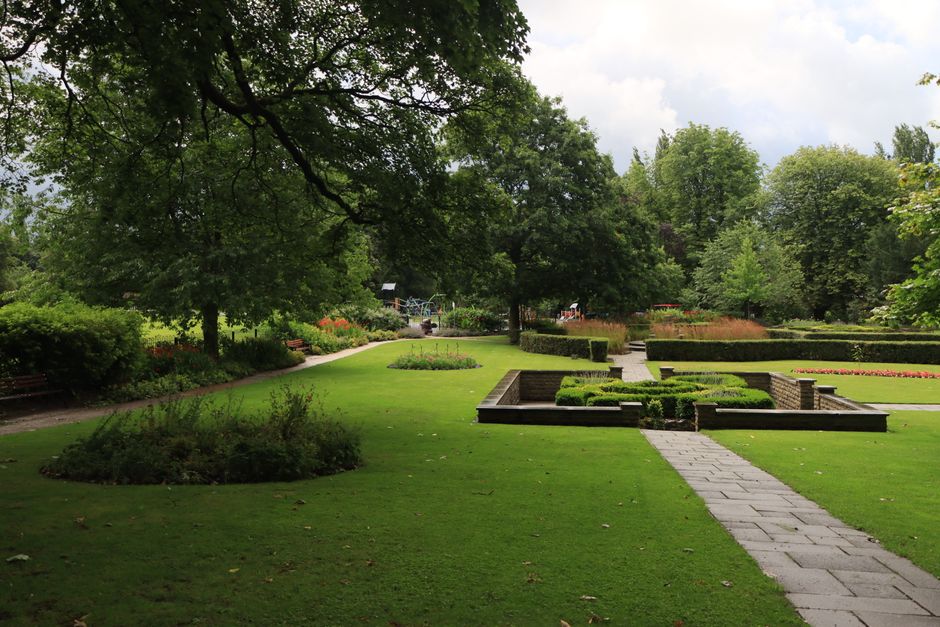
If you have a small garden near Finsbury Park, you already know the challenge: every square metre has to pull its weight. The right gardener can make a cramped courtyard feel calm, tidy, and genuinely usable, while the wrong approach can leave it looking crowded or half-finished. That is why finding the best gardeners on Caledonian Road for small Finsbury Park gardens matters so much. It is not just about mowing a patch of grass. It is about making careful, local, practical choices that suit tight spaces, busy streets, awkward shade, and the sort of real-life outdoor space most London homes actually have.
This guide walks through how to choose the right gardener, what to expect, which services help most in smaller gardens, and how to avoid the common mistakes that waste money and space. Truth be told, small gardens are often the hardest to get right. But they are also the most rewarding when done well.
Why Best gardeners on Caledonian Road for small Finsbury Park gardens Matters
Small gardens in this part of North London often have a few things in common: limited depth, mixed light, narrow side access, older boundary walls, and neighbours close by. That changes everything. A gardener who is brilliant with large suburban lawns may not be the right fit for a compact city plot. You need someone who understands proportion, plant choice, maintenance frequency, and the practical limits of working in tight spaces.
In our experience, people often start with one simple goal: "I just want it tidy." Fair enough. But once the clutter is gone and the beds are under control, a small garden can suddenly become a proper room outside. Somewhere to sit with a coffee in the morning. Somewhere that does not feel like a job every weekend. That is the real value.
Local relevance matters too. Caledonian Road sits within the rhythm of London life: traffic noise, shaded boundaries, changing light through the day, and busy households that do not always have time for high-maintenance planting. The best local gardeners tend to work with those realities rather than against them. They keep things simple where needed, but not boring. Useful, not overdone.
Expert summary: For small Finsbury Park gardens, the best gardener is usually the one who can simplify a space without flattening its character. Think cleaner edges, smarter planting, manageable maintenance, and a finish that feels calm rather than crowded.
How Best gardeners on Caledonian Road for small Finsbury Park gardens Works
Most good gardening jobs begin with a walk-through. The gardener looks at the size of the space, existing plants, soil condition, drainage, access, shade, and how you actually use the garden. Do you want to sit out? Grow herbs? Keep a child-safe patch? Reduce mess? That conversation matters more than people think.
From there, the work usually falls into one of three broad types:
- One-off tidy-up work such as clearing overgrowth, removing dead material, and restoring basic order.
- Regular garden maintenance such as pruning, mowing, weeding, edging, and seasonal care.
- Small-space improvement such as planting refreshes, layout changes, raised beds, or modest landscaping tweaks.
For compact gardens, the process often needs a lighter touch. A full redesign is not always necessary. Sometimes a better pruning plan and smarter planting structure are enough. Sometimes, let's face it, a tired border just needs ruthless editing. Not every plant deserves a second chance.
Good gardeners also think ahead. For example, if a small back garden gets heavy afternoon sun in summer but stays damp in winter, the planting plan should reflect both conditions. That is the kind of practical thinking that saves you from replacing plants six weeks later. Nobody wants that.
If you are comparing broader service options, it can help to look at the provider's overall approach on the services overview page, especially if you are deciding between maintenance, clearance, or a more structured landscaping job.
Key Benefits and Practical Advantages
Hiring the right gardener for a small urban garden gives you more than a neat lawn or trimmed hedge. It changes how usable the space feels day to day.
- Better use of limited space: small gardens need careful spacing, not clutter.
- Less upkeep stress: the right plan means less weekend catch-up work.
- Improved first impression: tidy edges and balanced planting make a surprisingly big difference.
- Healthier plants: pruning, feeding, and soil care are easier to manage when the layout makes sense.
- More privacy and comfort: careful screening, hedging, or planting can soften close urban surroundings.
- Safer access and tidier surfaces: small gardens can become awkward quickly if paths, steps, or patios are neglected.
There is also a psychological benefit people do not talk about enough. A cramped outdoor space can feel like visual noise. Once it is organised properly, the whole home feels lighter. You notice the difference on a grey Tuesday morning, not just on a sunny weekend. That counts.
For more intensive outdoor improvements, especially where layout, structure, and planting all need attention, some homeowners eventually move from routine care to landscape gardening or even broader landscaping work. Small gardens do not always need big changes, but they do need thoughtful ones.
Who This Is For and When It Makes Sense
This service makes sense for a lot of different people, not just homeowners with overgrown borders. If your garden is small, awkward, or simply underused, a skilled gardener can help.
- Busy professionals who want the garden presentable without spending every Saturday on it.
- Landlords and landlords' agents who need an exterior space kept clean and manageable between tenancies.
- Families who need a practical, safe, and simple garden that can cope with everyday use.
- Older homeowners who want regular help with tasks that are getting harder to do alone.
- New movers who have inherited a garden that is slightly chaotic, which happens more often than people admit.
- People planning a sale or renovation who want the outside space to stop undermining the rest of the property.
It also makes sense if you are not sure where to start. Sometimes a small garden looks manageable until you step into it with tools, bags, and a long list of jobs. Then it becomes obvious that the job needs a proper plan. That is not a failure. It is just real life.
If your main issue is heavy seasonal growth, overhanging shrubs, or a hedge that has become a bit too enthusiastic, a dedicated hedge trimming service may be the simplest fix. If the space has become cluttered with cuttings, broken pots, or accumulated debris, garden clearance can be the cleaner starting point.
Step-by-Step Guidance
Choosing and booking the right gardener is easier if you treat it like a short project rather than a rushed call. Here is the practical route.
- Define the outcome you want. Tidy-up only? Ongoing care? A better layout? Be specific, even if the answer is "I just want the place to look alive again."
- Measure the reality of the space. Small gardens are all about detail. Note access gates, steps, shed clearance, and any areas that stay wet, shady, or hard to reach.
- List the jobs in priority order. For example: clear leaves, cut back shrubs, edge borders, mow, then replant bare patches.
- Ask about experience with compact gardens. You want someone who understands proportion and maintenance, not someone who will overplant a tiny border because it looked nice in a catalogue.
- Request a clear quote or estimate. Good providers should explain what is included and what might cost extra, especially if there is clearance, waste removal, or specialist cutting involved.
- Check their maintenance rhythm. Weekly, fortnightly, or seasonal visits each suit different gardens. A small space may only need light but regular attention.
- Agree on the finish standard. What does "tidy" mean to you? Crisp edges? No weeds? Pruned but not stripped bare? Say it plainly.
A tiny bit of admin goes a long way here. A good gardener will not mind clarity. In fact, the best ones usually prefer it because it stops misunderstandings later. And saves everyone time, which is refreshing.
Expert Tips for Better Results
Here is where small-garden know-how really matters. You do not need lots of space to get a good result, but you do need discipline.
1. Keep the planting palette limited
Too many plant varieties in a small garden can look messy very quickly. A focused mix of evergreen structure, seasonal colour, and one or two feature plants usually works better than a dozen different styles fighting for attention.
2. Prioritise structure first
Before adding colour, sort the bones of the garden: hedge lines, borders, edging, paths, pots, and screening. Once the structure is right, everything else becomes easier to maintain. It sounds obvious, but people skip this all the time.
3. Use height carefully
In small gardens, vertical interest helps a lot. Trellises, slim shrubs, climbers, and well-placed pots can add depth without stealing floor space. Just avoid creating a wall of leaves that blocks light from the whole space.
4. Choose maintenance levels honestly
Some gardens look lovely but need constant attention. If you do not want that, say so. A low-maintenance plan is not lazy; it is sensible. There is no prize for choosing high-maintenance planting and regretting it by August.
5. Work with the light, not against it
North-facing shade, neighbouring walls, and narrow gaps between buildings all affect plant choice. The best gardeners do not pretend otherwise. They use shade-tolerant planting where needed and reserve sun-lovers for the brighter spots.
And one more thing: good pruning is subtle. If you can obviously see that a plant has been butchered, that is not great gardening. A neat finish should look calm, even if the work behind it was a bit of a wrestle.
Common Mistakes to Avoid
Small gardens are unforgiving in a few ways. A mistake that would be minor in a larger space can dominate the whole feel of a compact one.
- Overplanting: too many plants make the garden feel cramped and harder to maintain.
- Ignoring access: if tools and waste cannot be moved easily, the job slows down and costs can rise.
- Choosing style over upkeep: beautiful ideas are fine, but only if they fit your routine.
- Skipping soil and drainage checks: waterlogged or compacted soil can undo the best planting plan.
- Letting borders become messy: in a small space, untidy edges stand out straight away.
- Assuming all gardeners offer the same service: some specialise in routine maintenance, others in landscaping, and some do both but with different strengths.
A common one is underestimating waste. A few bags here and there soon turn into quite a pile. Not glamorous, I know, but it matters. If you are starting with a badly overgrown garden, make sure waste removal is discussed clearly before work begins.
Tools, Resources and Recommendations
You do not need to own a shed full of tools to make smart decisions, but it helps to know what good work usually involves.
| Task | Typical tool or method | Why it matters in a small garden |
|---|---|---|
| Hedge shaping | Hand trimmers or powered hedge tools | Allows cleaner lines without overcutting tight spaces |
| Lawns | Compact mower or precise strimming | Useful where access is narrow and edges need care |
| Clearance | Rakes, bags, cut-and-carry method | Prevents clutter from spreading through the property |
| Planting refresh | Soil improvement, mulch, pots, chosen shrubs | Creates impact without overfilling the bed |
| Ongoing care | Seasonal pruning, weeding, edging, feeding | Keeps a small garden presentable with less effort overall |
It can also help to look at whether the provider offers garden maintenance rather than only one-off visits. For many small gardens, regular light care is far more effective than occasional rescue jobs.
If your outdoor area includes worn timber or a patio space that needs more structure, decking services may be worth considering, especially where seating or raised access is part of the plan. For lawns, a dedicated lawn mowing service can keep the space neat without you having to manage the edges, clippings, and awkward corners yourself.
And if there are trees that are blocking light or crowding the space, a specialist tree lopping and removal option may be relevant, though that always needs careful judgement. In a small garden, one poor tree decision can affect the whole atmosphere. No pressure, then.
Law, Compliance, Standards and Best Practice
For most domestic gardening work, the main concerns are practical rather than legal. Still, there are a few standards and duties worth keeping in mind, especially if a job involves machinery, waste, access, or work near shared boundaries.
- Waste handling: garden waste should be removed and disposed of responsibly. If the job includes clearance, ask how waste will be managed.
- Health and safety: safe tool use, sensible protective equipment, and clear working practices matter, particularly on ladders or with power tools.
- Insurance: it is sensible to use a provider that can explain how they handle liability and site safety.
- Neighbour awareness: in close London streets, noise, access, and overhanging growth can affect neighbouring homes, so good communication helps.
- Plant protection and cutting practice: good gardeners avoid reckless pruning and work with the plant's condition, not just the clock.
If you want extra reassurance, review the provider's published policies, especially health and safety policy and insurance and safety information. That is not overcautious. It is sensible due diligence, especially when tools, waste removal, or climbing work is involved.
There is also a professionalism angle. Clear quoting, honest scope, and tidy work habits are part of good practice in the trade. If you need to understand how a company handles disputes or service concerns, pages such as complaints procedure, payment and security, and terms and conditions can be useful background reading.
Options, Methods, or Comparison Table
Not every small garden needs the same kind of help. Below is a simple comparison to make the decision easier.
| Option | Best for | Pros | Watch out for |
|---|---|---|---|
| One-off tidy-up | Overgrown or neglected gardens | Fast visible improvement, clear starting point | May not solve ongoing maintenance needs |
| Regular maintenance | Small gardens that need consistency | Prevents build-up, easier to budget and plan | Needs a reliable schedule and clear task list |
| Light landscaping | Spaces needing better layout or structure | Improves usability and visual balance | Can become expensive if scope expands too quickly |
| Seasonal pruning and clearance | Hedges, shrubs, and leaf-heavy gardens | Keeps growth under control without major works | Must be timed well to avoid stress on plants |
If you want the simplest answer, here it is: if your garden is small but fairly tidy, maintenance is often the smartest choice. If it has become unruly, start with clearance. If the space feels awkward rather than overgrown, some landscaping advice may be better than another mow. Pretty straightforward, really.
Case Study or Real-World Example
A typical small-garden job near Finsbury Park might begin with a narrow rear space behind a terrace house. The garden has a patchy lawn, one hedge that has crept outward, a border full of mixed planting, and a patio that is partly hidden by weeds and leaf litter. The owner wants it to feel calmer and easier to use, not transformed into something elaborate.
The first visit focuses on practical wins: cut back the hedge, remove dead growth, clear the patio edges, define the border line, and mow or tidy the lawn depending on season and condition. After that, the space is reassessed. In many cases, the gardener will suggest a simpler planting mix, better edging, and perhaps one or two structural plants to hold the space together visually.
The result is not flashy. That is the point. The garden feels bigger because it is less cluttered. It is easier to walk through, easier to water, and easier to enjoy on a normal Tuesday evening when you are tired and just want somewhere decent to sit. The birds are louder than before. The whole place breathes a bit more.
This kind of practical transformation is exactly why local expertise matters. Small gardens need editing, not just labour.
Practical Checklist
Before you book, run through this checklist. It will save time and help you compare gardeners properly.
- Do they understand small urban gardens and limited access?
- Have they explained what is included in the quote?
- Do they offer the right mix of clearance, maintenance, and planting help?
- Are waste removal and disposal clearly covered if needed?
- Do they discuss maintenance frequency in realistic terms?
- Have they asked about shade, drainage, and how you use the space?
- Can they explain how they will keep the garden manageable after the initial work?
- Do they have clear policies on safety, insurance, and complaints?
- Are they straightforward about what they can and cannot do?
- Does their approach sound thoughtful rather than rushed?
Quick tip: if the person you speak to asks good questions before giving advice, that is usually a promising sign. It means they are thinking, not just selling.
Get a free quote today and see how much you can save.
Conclusion
Finding the best gardeners on Caledonian Road for small Finsbury Park gardens is really about fit. You want someone who understands compact spaces, respects the limits of London gardens, and knows how to make a small area feel ordered, comfortable, and easy to keep that way.
The best results usually come from simple priorities done well: clear the clutter, shape the growth, improve the structure, and keep the maintenance realistic. That approach works whether your garden is a tiny courtyard, a narrow rear plot, or a small patch that has been ignored for too long. Not magic. Just good judgement.
If you take one thing from this guide, let it be this: small gardens reward careful work. They do not need overcomplication. They need someone who can see the potential and keep the job grounded in everyday use. When that happens, the space starts to feel like part of your home again. And that is a lovely thing, honestly.
Frequently Asked Questions
What should I look for in a gardener for a small garden?
Look for experience with compact spaces, clear communication, sensible maintenance advice, and a practical eye for layout. Small gardens need proportion and restraint, not just general gardening skills.
Is regular maintenance better than a one-off visit?
For many small gardens, yes. Regular maintenance often keeps the space looking good with less effort and less cost over time than repeated rescue jobs. If the garden is badly overgrown, though, a one-off clearance may be the right first step.
How often should a small Finsbury Park garden be maintained?
It depends on planting, light, and how much you use the space. Some gardens only need seasonal visits, while others benefit from fortnightly or monthly care. The main thing is to keep the schedule realistic.
Can a gardener help make a small garden look bigger?
Yes. Clean lines, restrained planting, smart vertical interest, and better structure can all make a small garden feel more spacious. It is often less about size and more about visual clutter.
What is usually included in garden maintenance?
Common tasks include mowing, edging, weeding, pruning, deadheading, feeding, and general tidying. The exact scope should always be agreed in advance, because maintenance can mean different things to different providers.
Do I need garden clearance before maintenance?
If the garden is heavily overgrown, clearance first is usually the better choice. Maintenance works best once the space is already under control. Otherwise, the gardener may spend all their time fighting the backlog.
How do I know if a quote is fair?
A fair quote should be clear about what is included, how long the job is expected to take, and whether waste removal or specialist work is extra. If a quote is vague, ask questions before agreeing.
Should I choose gardening or landscaping for a small garden?
If the space mainly needs care and tidying, gardening is usually enough. If you want changes to layout, structure, surfacing, or planting design, landscaping may be more appropriate. Sometimes the answer is a bit of both.
What if my garden has poor light or drainage?
That is very common in urban gardens. A good gardener will factor shade and drainage into plant choice and maintenance. The fix is usually about working with the conditions, not forcing plants into the wrong spot.
Are there safety issues with garden work in small spaces?
There can be, especially where access is tight, tools are powered, or work is done near fences, walls, or steps. That is why insurance, safe working methods, and proper clearance planning matter.
Can a gardener help with privacy in a small garden?
Yes, often through hedging, screening plants, pots, or layout changes. If privacy is a concern, it is worth discussing early so the planting plan can support that goal from the start.
What is the best first step if my garden is a mess?
Start with a clear assessment of the space and decide whether you need clearance, maintenance, or both. If in doubt, ask for a walkthrough and a simple plan. A messy garden can feel overwhelming, but it usually becomes manageable once it is broken into stages.
Where can I find more about the company and its policies?
You can read more on the about us page, and review key company information such as the privacy policy, cookie policy, and recycling and sustainability information if you want a fuller picture before getting in touch.